
Mind the Gap is dedicated to transforming early childhood classrooms. We train educators to build empathy-based, connection-over-compliance learning environments that strengthen emotional regulation in every child — especially those facing the greatest barriers.

From Reactive to Responsive: Empathy-Based Classroom Management for Early Educators
This six-hour course invites early educators to shift the question from “What is this child doing?” to “What is this child telling me?”
Through an empathy informed lens, participants explore the root causes of challenging behaviors, learn to identify early warning signs before disruption escalates, and build a personalized set of proactive strategies to create calmer, more connected classrooms where every child can learn and every educator can thrive. This course is designed for educators who are doing their best and want to feel more equipped, not more overwhelmed.
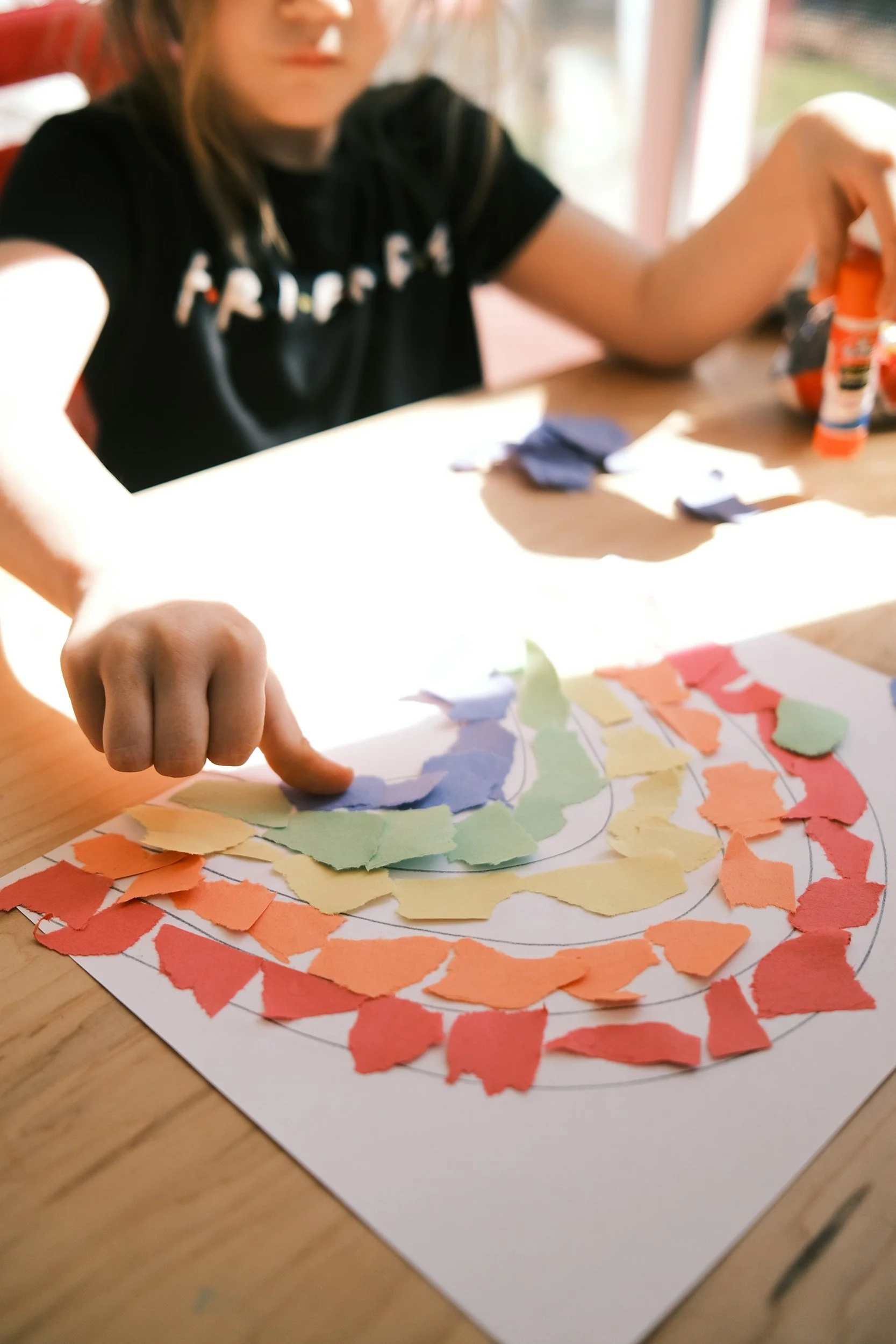
Building Caregiver Connections & Navigating Difficult Conversations
Building Caregiver Connections & Navigating Difficult Conversations is a six-hour professional development course designed for PreK–Grade 2 educators who want to build open, trusting partnerships with the caregivers of their students. Grounded in strengths-based communication and trauma-informed practice, this course equips educators with practical frameworks and ready-to-use language for initiating both everyday connection and high-stakes conversations about developmental concerns. Through interactive activities, real-world scripts, and structured role play, participants will leave with the skills and confidence to approach every caregiver — regardless of the topic — as a collaborative partner in their child's growth.
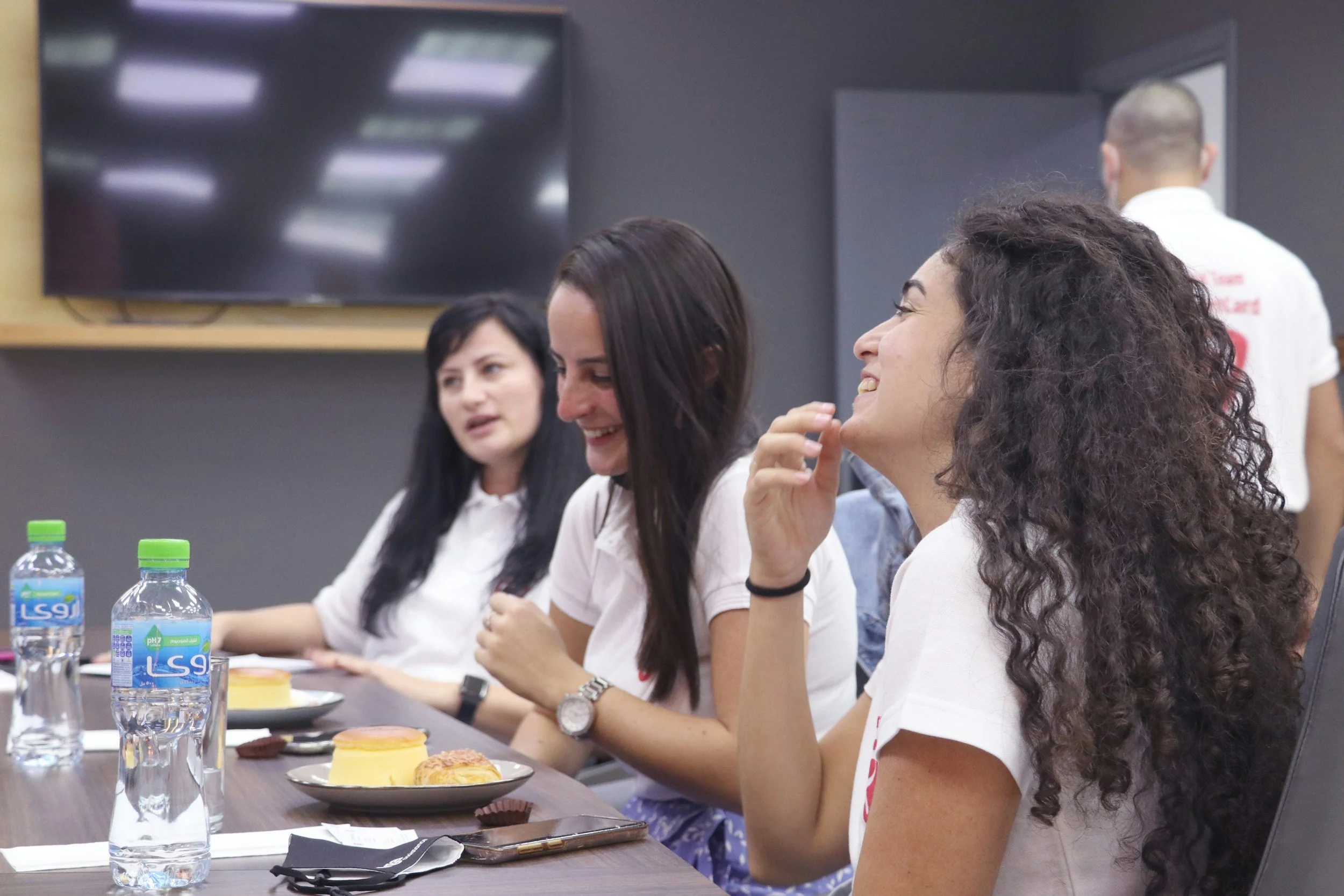
Building Bridges
Building Bridges is a six-hour professional development course designed for educators committed to engaging students and caregivers through a culturally responsive lens. Whether participation is self-directed or required by your learning community, every educator will leave feeling empowered to foster deeper understanding of classroom expectations — and equipped to honor the diverse cultural perspectives students bring to a shared learning space.
Through an experiential, story-based approach accessible to educators at all levels, participants build the cultural awareness and family communication skills that directly improve student outcomes and caregiver engagement. The course addresses the cultural frameworks and communication challenges common across diverse educator populations, with participants leaving with practical trust-building tools and a personal action plan ready for immediate classroom application.
In-person within 90 minutes of Boston. Travel and online options available.
Frequently Asked Questions
Still have questions? Take a look at the FAQ or reach out anytime. If you’re feeling ready, go ahead and apply.
-
We offer a range of solutions designed to meet your needs—whether you're looking for in-person training or coaching or on-line options.
-
Getting started is simple. Reach out through our contact form or schedule a call—we’ll walk you through the next steps and answer any questions along the way.
-
Our training are thoughtful and inclusive, helping educators build a tool box of strategies, but more importantly build the critical thinking and empathy-focused skills they need to make an immediate impact in the classroom.
-
You can reach us anytime via our contact page or email. We aim to respond quickly—usually within one business day.
-
We offer flexible pricing based on each organization’s needs. After an initial conversation, we’ll provide a list of appropriate training or coaching options.